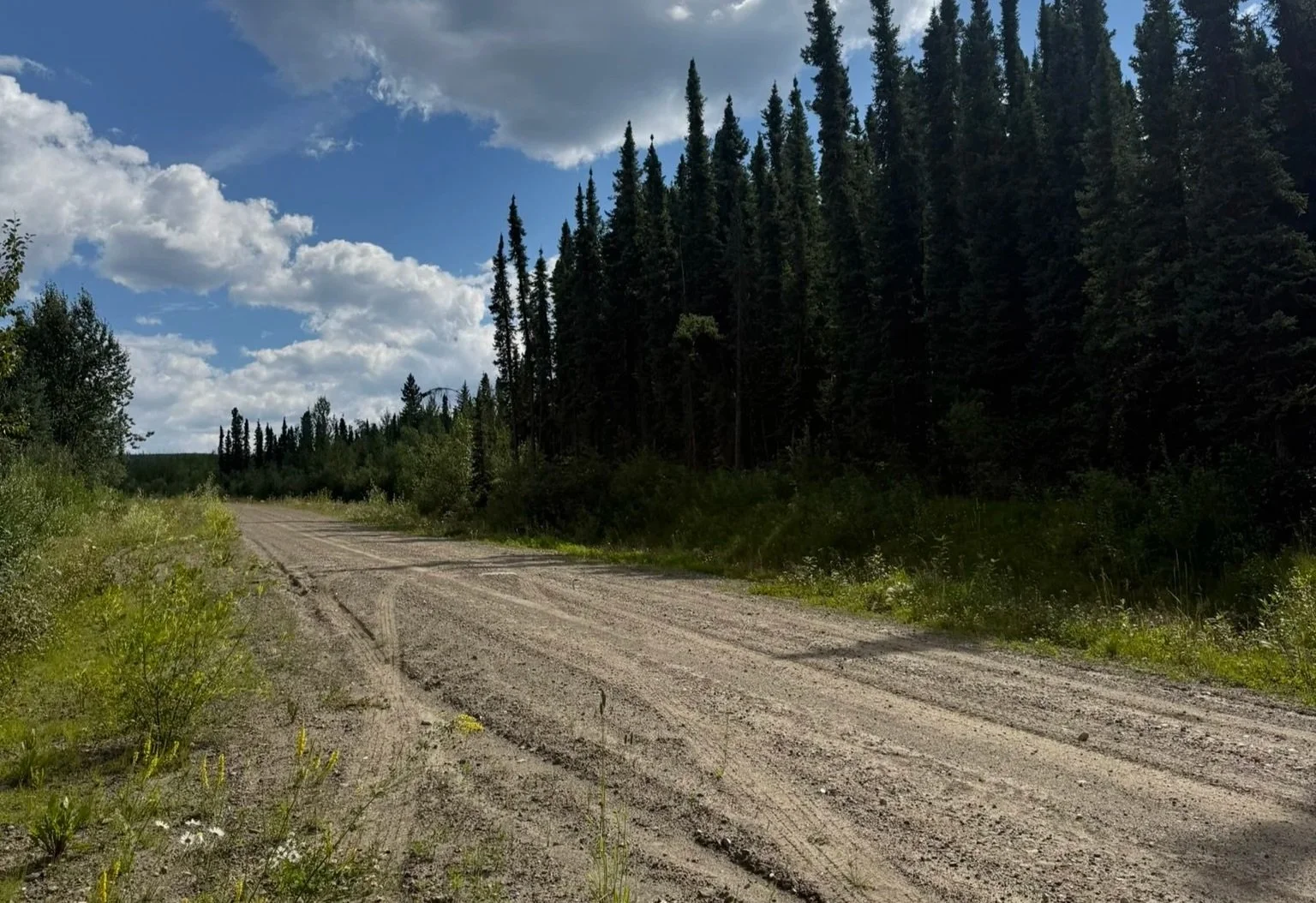
Access
Roads and trails can support woodlot access, forest-health inspections, fire protection, harvesting, recreation, and emergency response. On a private woodlot, the most practical approach is usually to maintain and improve existing routes before constructing new ones. New roads and trails should be built only where they support a clear management objective and can be maintained over time.
Planning Access
Before upgrading or building a route, consider:
The intended use, such as recreation, fire protection, maintenance, or harvesting
Whether an existing road or trail can be improved instead
Ownership, legal access, and right-of-way requirements
Slope, terrain, drainage, soil stability, and seasonal conditions
Construction and long-term maintenance costs
Safe locations for turnarounds, parking, landings, and equipment access
Potential effects on wetlands, streams, riparian areas, wildlife habitat, and neighbouring properties
Erosion, sediment movement, invasive-species spread, and wildfire risk
Access for emergency vehicles and safe use by family, contractors, and visitors
Avoid building on steep, wet, unstable, or poorly drained ground where possible. Plan routes to follow the terrain, keep water moving safely across or away from the road, and minimize unnecessary clearing and soil disturbance. Construction timing should be based on local soil and weather conditions rather than a fixed calendar period.
Roads
A private woodlot road may be a simple seasonal access route rather than a full-scale forestry road. The design should match the vehicles, equipment, traffic levels, and maintenance capacity expected on the property. A simple plan or sketch should identify the route, right-of-way, drainage features, crossings, turnarounds, landings, and areas requiring special protection.
For larger projects, consider using an experienced road contractor or forestry professional. Written agreements should clearly describe the route, clearing limits, drainage, culverts, crossings, materials, erosion controls, restoration responsibilities, and who is responsible for permits and maintenance.
Any work that alters a watercourse, wetland, or the bed or bank of a waterbody may require provincial authorization. Alberta advises landowners to check applicable Water Act, Public Lands Act, wetland, fish-habitat, and municipal requirements before beginning work.
Trails
Trails may be designed for walking, wildlife observation, recreation, forest-health inspections, fire protection, or occasional equipment access. A good trail should be safe, practical to maintain, and suited to its intended users.
When planning a trail, consider:
Linking important areas or creating a loop
Views, natural features, and points of interest
User ability, safety, and expected traffic
Drainage and seasonal wet areas
Sensitive habitat, wetlands, steep slopes, and hazardous trees
Appropriate trail width, surface, grades, and crossings
How the trail will be maintained and kept free of invasive species
Trails used for equipment or harvesting should be designed differently from recreational footpaths. Avoid assuming that one route will serve every purpose; a narrower, low-impact recreation trail may be preferable to using a heavy equipment route for regular public access.
Practical Private-Woodlot Approach
For many landowners, a simple access plan is sufficient:
Map existing roads and trails.
Identify the routes that are essential.
Repair drainage and erosion problems first.
Improve only the sections needed for your objectives.
Avoid sensitive areas and unnecessary water crossings.
Maintain safe access for inspection, wildfire response, and emergency needs.
Reassess the routes after major storms, harvesting, or wildfire.
Alberta’s current guidance emphasizes that poorly planned access can contribute to erosion, sedimentation, and impacts to watercourses, so road and trail work should be planned around protecting water and minimizing disturbance.