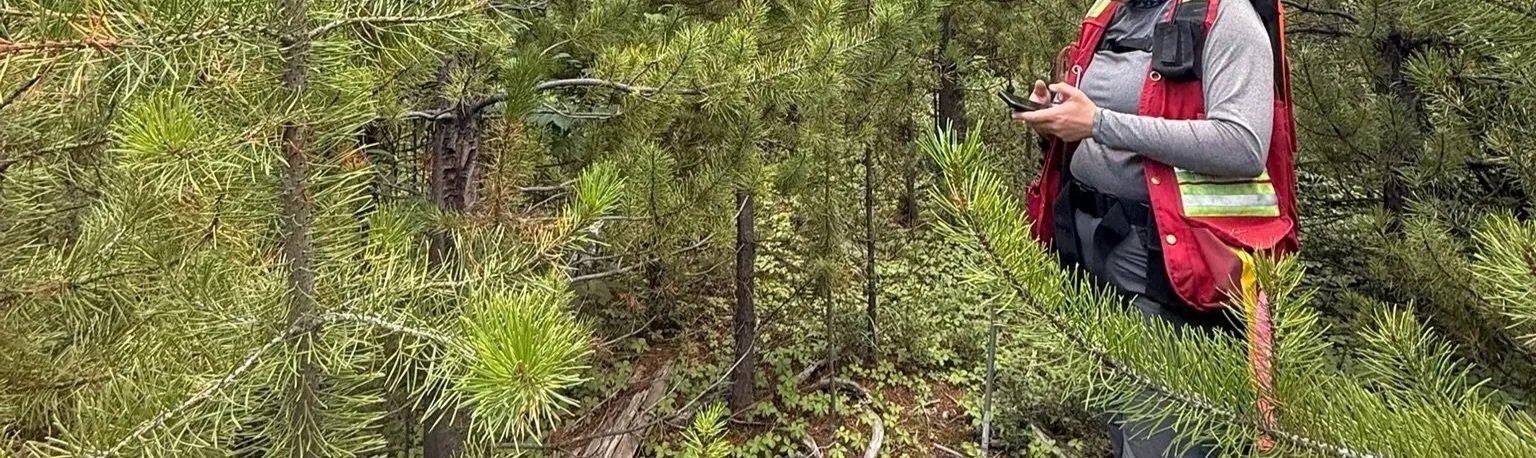
Health & Safety
Health and Safety on a Private Woodlot
Working on a woodlot can involve chainsaws, falling trees, vehicles, uneven ground, remote locations, wildlife, insects, pesticides, changing weather, and limited access to emergency services. Good planning and appropriate training can prevent many injuries and make it easier to respond when something goes wrong.
Before beginning work, assess the site and the task, identify hazards, use the right equipment, and avoid working beyond your training or physical ability. Significant harvesting, felling near buildings or powerlines, pesticide application, tree climbing, bridge construction, and work in dangerous terrain should be completed by qualified professionals.
Plan Before You Work
Tell someone where you are going, what you are doing, and when you expect to return.
Carry a charged phone, satellite communicator, or other reliable means of communication where reception is limited.
Keep a first-aid kit, drinking water, emergency supplies, and navigation tools available.
Know the property’s legal access points and the best route for emergency vehicles.
Check weather, wildfire conditions, wind, visibility, and daylight.
Identify hazards such as unstable trees, overhead lines, steep slopes, water, machinery, and difficult terrain.
Keep children, visitors, and animals away from active work areas.
Stop work when conditions become unsafe.
If workers or contractors are engaged, confirm who is responsible for hazard assessment, training, supervision, emergency response, and site communication. Alberta’s occupational health and safety requirements may apply depending on the work and whether the activity is part of a business or involves workers.
Chainsaw and Tree-Cutting Safety
Chainsaw work should only be done by people with appropriate training and experience. Before cutting, assess the tree, lean, overhead hazards, escape paths, wind, nearby people, and the potential for falling or rolling material. Wear appropriate protective equipment, including hearing and eye protection, chainsaw-resistant leg protection, gloves, and suitable footwear.
Do not cut alone. Keep others clear of the work zone, carry the saw safely, maintain it properly, and shut it off before refuelling, clearing a jam, or performing maintenance. Chainsaw work around powerlines, buildings, roads, or unstable trees should be left to qualified professionals. (www.ccohs.ca)
First Aid and Emergency Preparedness
At least one person involved in remote or higher-risk work should have current first-aid training. Keep supplies appropriate for the work, including materials for severe bleeding, burns, sprains, cuts, allergic reactions, and insect bites. Make sure everyone knows the property location, access route, nearest road, and how to contact emergency services. A first-aid kit does not replace training or a safe work plan.
Pesticide and Herbicide Safety
Avoid pesticides where prevention, manual control, mechanical treatment, or other lower-risk methods will work. Correctly identify the pest before choosing a treatment, read and follow the product label, use the required protective equipment, protect people, pets, water, and wildlife, and store and dispose of products safely.
Only use products that are authorized for the intended purpose. Alberta regulates the sale, handling, application, storage, and disposal of pesticides, and additional requirements may apply to certified applicators or pesticide service providers. (alberta.ca) Aerial or drone-based pesticide application has additional considerations and should not be undertaken without confirming the applicable requirements.
Manual Handling and Ergonomics
Woodlot work can involve lifting, carrying, bending, pulling, pushing, climbing, and repetitive tasks. Reduce injury risk by using mechanical assistance where possible, sharing heavy loads, keeping loads close to the body, planning the route before moving material, taking regular breaks, and changing tasks throughout the day. Use tools and equipment that are appropriate for the person and the job.
Ticks, Mosquitoes, and Other Outdoor Hazards
When working in grass, brush, or forested areas:
Wear light-coloured, long-sleeved clothing and closed footwear.
Tuck pants into socks where appropriate.
Use an approved repellent according to its label.
Check clothing, skin, children, and pets for ticks after outdoor work.
Remove attached ticks promptly with fine-tipped tweezers and monitor for symptoms.
Reduce exposure to mosquitoes during peak activity periods and remove standing water near buildings where practical.
Ticks can transmit Lyme disease, and mosquitoes can transmit West Nile virus. Risk varies by location and season, so landowners should consult current Canadian and Alberta public-health information rather than relying on old regional descriptions. (canada.ca) (canada.ca)
Avoid handling sick, dead, or unusually behaving wildlife. If you are bitten or exposed to saliva from a bat or other mammal, wash the area and seek medical advice promptly.
Sun, Heat, Cold, and Smoke
Protect yourself from sun exposure with shade, protective clothing, sunglasses, and sunscreen. In hot weather, drink water regularly, schedule strenuous work for cooler periods, and watch for signs of heat illness. In cold or smoky conditions, dress appropriately, monitor conditions, and stop work if visibility, breathing, or body temperature becomes a concern.
A Simple Safety Plan
Before starting work, answer five questions:
What could go wrong?
How will we prevent it?
What equipment and training are needed?
How will we communicate if something happens?
How will emergency responders find us?
This page provides general information and is not a substitute for formal training, medical advice, product labels, or Alberta legislation.
Landowner and Occupier Liability
As a woodlot owner, you may be legally responsible for injuries or damages that occur on your property, whether involving workers, contractors, visitors, or recreational users. Understanding your liability exposure, and taking steps to manage it is an essential part of responsible land ownership.
This can include carrying appropriate insurance coverage, posting clear signage, maintaining safe trails and access points, and understanding how liability laws (including any recreational use protections in your area) apply to your situation. Taking these precautions helps protect both the people who use your land and your own financial and legal interests.
Practical Steps for Woodlot Owners
Landowners can help reduce risk by:
Knowing who has permission to enter the property and for what purpose
Inspecting commonly used areas, roads, trails, crossings, buildings, and recreational features
Removing or controlling hazards where practical
Posting clear warnings about hazards such as unstable trees, open water, steep slopes, ice, machinery, active harvesting, or hunting
Restricting access to dangerous areas using gates, fencing, signage, or temporary barriers
Keeping roads and trails reasonably suitable for their intended use
Taking additional precautions where children, visitors, contractors, or recreational users may be present
Maintaining safe procedures around livestock, dogs, equipment, and forestry operations
Keeping records of inspections, repairs, warnings, incidents, and permission agreements
Confirming that contractors carry appropriate insurance and are responsible for their own work practices
Signs and waivers may help communicate risks, but they do not necessarily remove a landowner’s legal responsibilities. Landowners should not assume that a “No Trespassing” sign, a general disclaimer, or the visitor’s acceptance of risk will protect them in every situation.
This page provides general information only and is not legal advice. Liability depends on the specific circumstances, the property, the activity, and the people involved. Owners with public access, recreational users, hunting, livestock, rental arrangements, commercial harvesting, water hazards, or significant improvements should consult an Alberta lawyer and their insurance provider for advice specific to their situation.