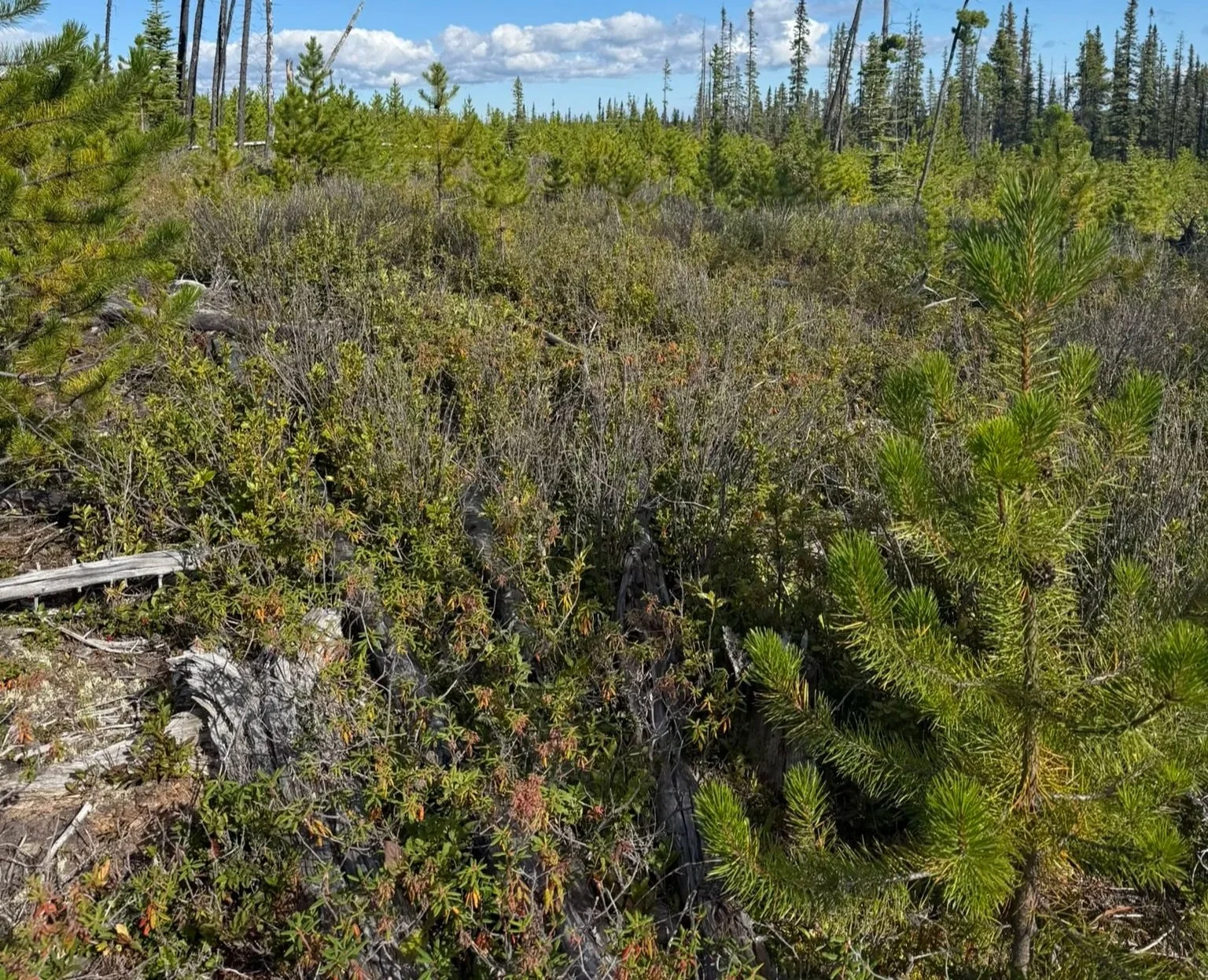
Silviculture
Silviculture is the practice of establishing, tending, harvesting, and regenerating forest stands to achieve specific management objectives. A well-designed silvicultural approach can improve forest health, species composition, growth, wood quality, habitat, wildfire resilience, and long-term sustainability.
Before selecting a treatment, consider:
The goals and desired future condition of the woodlot
Tree species, age, size, health, and condition
Stand density, structure, composition, and stocking
Soil, moisture, slope, drainage, and site productivity
Species’ shade tolerance, rooting characteristics, and susceptibility to wind, insects, disease, drought, and fire
Existing regeneration and the likelihood of successful natural regeneration
Effects on soil, water, wetlands, riparian areas, wildlife habitat, and neighbouring lands
Access, equipment, costs, markets, and available labour
Requirements for follow-up monitoring, maintenance, and regeneration
Common Silvicultural Approaches for Private Woodlots
Improving Existing Stands
Selective thinning: Remove some trees to reduce crowding and improve the growth and health of the remaining trees.
Pre-commercial thinning: Thin dense young growth where trees are competing for space and resources.
Pruning: Remove selected lower branches where appropriate to improve tree quality or access.
Release and vegetation management: Reduce competing brush or vegetation around selected trees and young regeneration.
Forest-health treatments: Remove or manage trees affected by insects, disease, invasive species, drought, or storm damage.
Wildfire-risk reduction: Reduce hazardous fuel near homes, outbuildings, roads, and other important infrastructure.
Selective Harvesting and Small Openings
Single-tree selection: Remove individual trees while maintaining continuous forest cover. This approach may favour shade-tolerant species and is useful where the owner wants to retain a mature, forested appearance.
Group selection: Remove a small group of trees to create a larger opening for regeneration, sunlight, wildlife habitat, or species that need more light.
Patch harvesting: Create several small openings over time rather than harvesting a large area at once.
Retention harvesting: Retain healthy mature trees, wildlife trees, snags, downed wood, and other structural features for habitat, biodiversity, and visual diversity.
Regeneration and Follow-Up
Natural regeneration: Protect existing seedlings and allow suitable trees to regenerate naturally.
Supplemental planting: Plant small groups or individual trees where natural regeneration is limited.
Simple site preparation: Move slash, reduce heavy competing vegetation, or prepare small planting spots where necessary.
Seedling protection: Protect young trees from browsing, equipment damage, drought, and competing vegetation.
Monitoring: Check harvested or planted areas regularly and respond if regeneration is poor or forest-health problems develop.
A private woodlot owner does not necessarily need to apply a formal shelterwood, seed-tree, strip, or clearcut system. These approaches may be appropriate in some situations, but many small woodlots can be managed effectively through gradual thinning, selective harvesting, small openings, natural regeneration, and occasional planting. The best approach depends on the owner’s goals, the condition of the forest, the site, available time and equipment, and the ability to monitor and care for the area afterward.
The goal is not simply to remove trees or plant new ones. Each treatment should be selected because it is suited to the site and supports a clearly defined future forest. Regeneration planning is particularly important after harvesting or major disturbance because the method used can influence future species composition, forest structure, habitat, and resilience.
Silvicultural decisions can be complex, especially where harvesting, wildfire risk, forest health, wildlife habitat, wetlands, or difficult regeneration conditions are involved. Landowners should seek advice from a registered forest professional, qualified forestry consultant, experienced contractor, or local woodlot organization before undertaking significant work.
More Information
Shelterwood
Shelterwood harvesting is a gradual way to establish new forest growth while retaining some mature trees for shade, seed, shelter, and habitat. Rather than removing all trees at once, the owner creates a partial opening and allows seedlings to become established beneath the remaining trees.
On a small woodlot, this may involve:
Removing some trees to allow more light to reach the forest floor
Retaining healthy, seed-producing trees
Protecting existing seedlings and young regeneration
Monitoring the area over time
Removing additional trees only when regeneration is well established
Shelterwood harvesting may be useful where natural regeneration is desired, but it is not necessary for every woodlot. For many private owners, gradual thinning, small patch harvesting, and protecting existing regeneration may be simpler and more practical. The appropriate approach depends on the landowner’s goals, tree species, site conditions, and ability to monitor and care for the regenerating forest.
Thinning
Thinning means removing some trees to give the remaining trees more room, light, water, and nutrients to grow. On a private woodlot, it can be a practical way to improve forest health, encourage better-quality trees, maintain a mix of species, and create small amounts of firewood or forest products.
Trees selected for removal may include:
Dead, damaged, diseased, or declining trees
Poorly formed or overcrowded trees
Trees competing directly with healthier, better-formed trees
Species that are not suited to the site or the owner’s objectives
Trees that create safety, access, or wildfire concerns
Thinning should not simply remove the largest or most valuable trees. Retain healthy trees of different sizes and species, along with suitable mature trees, wildlife trees, standing dead trees, and some downed wood. Avoid removing too many trees at once, as this can increase windthrow, damage the remaining trees, encourage excessive brush growth, or make the stand more vulnerable to drought, insects, and disease.
Thinning Young Stands: Young areas may become densely populated with seedlings and small trees. Selective removal can give the best trees more growing space and help guide the future species mix and stand structure. This work may not provide immediate financial return, but it can be an investment in the health and quality of the future forest. On a small woodlot, thinning can often be completed gradually using hand tools or small equipment.
Thinning Mature Stands: In older stands, some removed trees may be large enough to use as firewood or sell as forest products. However, income is not guaranteed and should be weighed against harvesting, equipment, access, and cleanup costs. A mature-stand thinning should leave enough healthy, well-spaced trees to maintain forest cover, wildlife habitat, natural regeneration, and long-term growth.
Before thinning, consider your objectives, the condition of the stand, safe equipment access, soil and water protection, and what will happen after the trees are removed. For larger, complex, or commercial operations, seek advice from a qualified forestry professional or experienced contractor.
Harvesting
Harvesting on a private woodlot should be guided by clear objectives, site conditions, available equipment, and the owner’s ability to manage regeneration afterward. Small openings or phased harvesting can provide timber while maintaining forest cover, wildlife habitat, visual screening, and natural regeneration.
Small Openings and Patch Harvesting
Creating one or more small openings may be more practical than harvesting a large area at once. Retained trees around the opening can provide seed, shelter, shade, and habitat while helping reduce exposure to wind and weather.
When planning a small opening, consider:
The size, shape, and location of the opening
Existing seedlings and nearby seed-producing trees
Wind exposure, slope, soil, and moisture conditions
Protection of streams, wetlands, steep slopes, and sensitive areas
Retention of mature trees, snags, downed wood, and habitat features
How harvested material will be removed with minimal soil damage
Whether natural regeneration is likely or planting will be needed
Openings can be created one at a time, allowing the owner to observe how the forest responds before undertaking additional work. Once regeneration is well established, another small area may be harvested if it remains consistent with the woodlot’s goals.
For many private woodlots, a series of carefully planned small patches or selective harvests may be easier to manage than formal strip systems. The focus should be on maintaining a healthy, diverse forest and ensuring that each harvested area is successfully regenerated—not on following a prescribed pattern.
Vegetation Management
Young trees may need protection from competing grasses, shrubs, invasive species, or excessive brush. Control methods may include manual, mechanical, biological, or chemical treatments, depending on the site and applicable requirements. Any herbicide or pesticide use should be carefully planned, legally permitted, and completed by qualified individuals.
The objective is not simply to clear all competing vegetation. Some shrubs, retained trees, coarse woody debris, and understory plants provide important wildlife habitat, soil protection, and biodiversity benefits. Regeneration treatments should therefore balance the establishment of desired trees with the retention of ecological values.
Regeneration
After removing trees, consider how the next generation of forest will become established. In many small woodlots, natural regeneration may be sufficient if healthy seed-producing trees, suitable growing conditions, and young trees are already present. Walk the area after harvesting to identify seedlings and protect them from unnecessary damage.
Where natural regeneration is limited, small-scale planting can supplement existing seedlings. Choose tree species and planting stock suited to the soil, moisture, sunlight, and conditions on your property. Planting does not need to cover the entire area—small groups or individual trees may be enough to fill gaps.
Simple practices include:
Retaining healthy seed trees and a mix of species
Protecting existing seedlings and young trees during harvesting
Leaving some mature trees, snags, and downed wood for habitat
Avoiding unnecessary soil disturbance and compaction
Limiting harvesting near wetlands, streams, and steep slopes
Controlling competing vegetation only where it is preventing regeneration
Protecting young trees from browsing or damage where necessary
Checking the area every year or two and replanting small gaps if needed
Site Preparation
On a small private woodlot, extensive site preparation is rarely necessary. Begin by assessing whether natural regeneration is already occurring and whether existing seedlings have enough light, moisture, and growing space. If planting is needed, simple preparation may include moving slash away from planting spots, reducing heavy competing vegetation, or exposing small patches of suitable soil.
Site preparation should be limited to what is necessary to help seedlings become established. Avoid unnecessary soil disturbance, compaction, drainage changes, or removal of habitat features. Take care around streams, wetlands, steep slopes, retained trees, snags, and areas with sensitive vegetation.
Climate- and Wildfire-Resilient Silviculture
Private woodlot owners can improve forest resilience through small, practical actions that maintain a healthy mix of species, ages, and stand conditions. Start by identifying areas with heavy fuel buildup, dense young growth, dead or declining trees, drought stress, insect or disease damage, and limited access for emergency response.
Management may include selective thinning, retaining healthy and fire-resistant trees, reducing hazardous fuel near homes and outbuildings, maintaining access routes, protecting wetlands and riparian areas, controlling invasive species, and supporting natural regeneration or planting where needed. Avoid creating large amounts of slash or leaving continuous layers of dry vegetation beneath tree crowns. Actions should be gradual and suited to the site rather than applied uniformly across the entire woodlot.
Climate-resilient management also means maintaining species and structural diversity, protecting soil and water, monitoring forest health, and adjusting plans as conditions change. FireSmart recommends reducing wildfire risk around homes and infrastructure, while Alberta’s forest-health guidance emphasizes proactive and adaptive management as climate conditions change. (alberta.ca)
Landowners should assess wildfire risk before removing trees or conducting fuel-reduction work. Large-scale clearing, prescribed burning, or work near powerlines, waterways, or neighbouring properties should be planned with qualified professionals and checked against applicable requirements. The goal is not to remove every tree or piece of deadwood, but to balance wildfire risk reduction with wildlife habitat, biodiversity, soil protection, and the long-term health of the forest.